Search this keyword

Showing posts with label Garden Design. Show all posts

How to Design Garden Lighting

Gardens enhance the looks of the house to a great extent and also add to the value of the property. Gardening is passion for some and for some a garden serves a decorative purpose. When you have a garden, you should be able to enjoy it at any time you want.
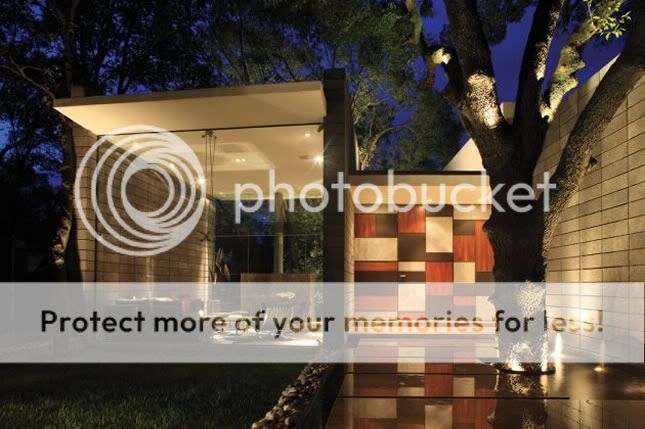
To enhance the beauty of your garden in the night, you can add lighting to it. How well you plan the lighting makes all the difference to the garden. If your garden is divided into seating and cooking area, then make sure you add additional lighting there. If you want to add a touch of green concept, then use solar lights which come along with beautiful lampshades. Have a step by step strategy to decorate your garden with lights.

 Evaluate how much space you have in the garden first. Take a walk around and think where will a light fit and how it will enhance the beauty of the garden. For example, if you have carpet grass and rocks, adding a light there could add beauty to the garden. The darkest spots in the garden always need more light. Also, adding lights where there are artificial or natural water features can change the look of the landscape completely.
Lighting can also be placed underwater to enhance the beauty of the pond or a small water area. Combine them with small fountains to contribute to an overall effect. Both underwater pond lights and small fountains can be solar powered. So, proximity to electrical service is not necessary. Also, highlight some trees which tend to change color in the fall. In winter, serial lights looks better on trees with stark branches. There are several gardening magazines which give you several ideas on how to effectively decorate your garden with proper lighting.
About Author: Pauline is an online leading expert in the gardening industry. She also offers top quality tips like: Fruit Alphabetical List, History of Apple.

Tuscan Garden Design

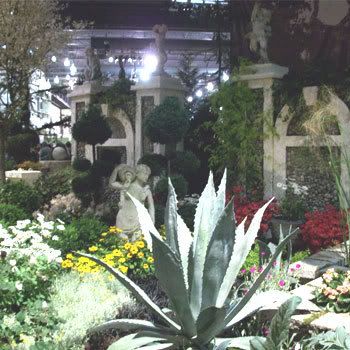
If you're looking for a beautiful, old world garden style, then you should look into designing a Tuscan garden design. There are several different things that you can do with a Tuscan garden design, but there are a few things that you should keep in mind if you're planning on a Tuscan garden design. First of all, if you're aiming for a Tuscan garden design, then you'll definitely want to aim for a Mediterranean feel.
This is easy to do if you're planning to design your own garden, and there are just a few important tips that you should try to follow if you want a Tuscan garden design. One thing that is very helpful is if you can design or add a wall fountain to the garden. The wall fountain (as opposed to a free-standing fountain) adds an air of older elegance, and definitely gives the impression that you're in a Mediterranean garden.
Iron wrought benches can also help you achieve a Tuscan garden design, as well as a lot of terra cotta planters.

 In fact, one of the cheapest and easiest ways to get a Tuscan garden design is to use terra cotta plant containers instead of containers made out of other materials. If the shape is like older vases, then that is even better.
Garden design landscaping can also go a long way toward helping you make a Tuscan garden design. One important thing to remember is that a lot of Tuscan gardens have flagstone pathways leading in between patches of different flowers. If at all possible, you should try to design your garden so that you can put in pathways.
The final, and most important part of any Tuscan garden design is that you use the right types of plants. By using plants, herbs and flowers that grow primarily in the Mediterranean, you can make your garden appear to be a real Tuscan garden.
Hans is author of the Garden Design section of http://www.gardening-guides.com

Garden Design Ideas for Newbies

A house is made more aesthetically pleasing though its design. For a house, one of the areas where design is really important is the garden.
Basically, a garden in a home is a place designed to promote leisure and relaxation through natural elements. A lot of gardens are created with elements from nature such as plants, trees and grasses. Some want to put a little extra and use lights and other artificial installations that will definitely improve the look of the garden both in daytime and night time.
For first timers, designing a garden may be a little challenging. There are several factors that must be looked at before working out on the design.

 First, the space allotted for the garden must be looked at. If the garden is spacious, more elements can be used in the design. There are a lot of plants, trees and installations that can make the garden more exciting. As for smaller spaces, there is a need to choose the elements carefully in order to maximize the small space and to make it look bigger.
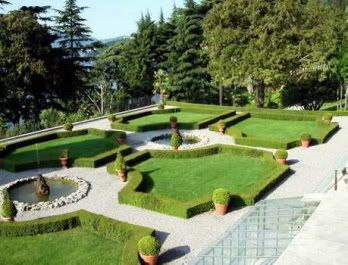
Second, there must be a theme. The theme dictates the feel of the garden. For example, European themed garden can consist of bulky and grandiose elements. It's all about the rich taste when it comes to selection of plants and trees. Shaped bushes can be apparent as well as colorful palate of flowers. Roses in different colors are common with a theme like this. Grand fountains are also common. In the same note, because of the bulky items found in this theme, the space required is bigger.
For smaller spaces, a Japanese inspired garden would be an ideal choice. It is mostly minimalist when it comes to its pieces, and when it comes to its maintenance. The small items and elements usually found in these gardens can make a small courtyard look bigger, still maintaining to create a relaxing environment.
Choosing the items that go in the garden is important. Aside from the theme, the budget allotted is important when making the choice. A good example is with the choice of flowers. Choose the ones that are readily available in local stores and provide cost savings when purchased in bulk.
Finally, the maintenance that will be required once the garden is finished must be considered when creating the design. The maintenance of the garden is based on the elements that go in it. The flowers and the trees, as much as possible, must be the ones that are used to the available conditions. Locally-grown plants and trees can grow on their own without requiring much attention. This is in contrast with the imported ones that will require stricter maintenance regimens.
Before starting a gardening design, make sure to take a look at a couple of things that will make the gardening design more efficient in the long run. It's not just about the aesthetic value. It's also about the maintenance and the cost of the entire gardening project.
John Menezes is trying to change the way people get in touch with tradesmen by developing an online "word of mouth" database aimed to promote good trades. Learn how he does it by visiting his gardening design site.

Hiring a Garden Designer Will Help You to Create Something Very Special


Most of us think we know most of what there is to know about gardening if we've been at it for more than a few years. By and large that can be true, but what we usually don't realise is that we are limiting ourselves. If you want something in your garden that is out of the ordinary, then hiring a garden designer will help you to create something very special.
What can a garden designer do that most of us can't do? Well, they are the specialists and the experts in all things to do with the garden in the area you live in. That's important, for many costly mistakes have been made through simple errors of judgement, or the simple lack of knowledge.

 One story is told of someone who bought a cute looking little potted plant they thought would look nice in a corner of the garden near the house. Within a few years of planting it had grown to alarmingly huge proportions, and a few years later it was almost threatening the house! Some expert knowledge gained through hiring a garden designer would have avoided that costly mistake.
There are three basic things that you should get from a good designer. There are of course many more things, but if your designer is a good listener and pays attention to the things you say, if they have extensive knowledge of local plants and suitable landscaping material, and if they give you satisfaction at the end of it all, then you have chosen well.
It can be very satisfying indeed to have a concept of what you want in the garden, however vague, and be able to tell someone your ideas and then see your dream slowly come to life. A good garden designer can do that for you. Often it goes further. The designer will see all kinds of things that you have not thought of that will make the garden look and work better. You will certainly end up with something very special.
Your designer will start with a site analysis. This is to ascertain the condition of your garden and what can, and what can not, be done with it. The site analysis will include accurate measurements, a note of all existing conditions throughout the garden, drainage conditions, the general landscape and any key elements within it, sunlit areas and shaded areas, soil conditions, and any micro-climate areas that may exist.
The planning comes next. All your thoughts and ideas will be used if at all possible, but listen to the designer if he or she says that another idea will work better. Don't be too stubborn and insist on your dream garden as it may not be the good idea you think it is. Be led by the expert. It's what they do best.
Hiring a garden designer will help you to create something very special. It will actually save you money too. Those who choose to go it alone often find themselves in trouble because they didn't have the experience or the foresight and something difficult came up that they couldn't cope with adequately. Put your trust in the specialist, let them do the work while you watch your dream slowly blossom.

Help and information about garden design in Aberdeen.
Article Source: http://EzineArticles.com/?expert=David_A_Robinson 


See another post

Three Top Tips for Garden Design With Poppies

Poppies are one of the world's most loved plants, and with so many different specimens to fill your flowerbeds with, it is not surprising that they have become an essential component for the garden. Whilst you may simply like to scatter seeds and allow them to germinate and flower at their own rate, using poppies in a more constructive garden design method is easy. And if you are looking to really create vibrant flair in your garden, there are a few top tips to follow.
1. Sow Poppies in Seed Trays
Whilst it is very easy to sow poppies straight into the garden border, if you want to manage your planting design a little more carefully it is a good idea to germinate specimens in seed trays. Whilst this will take a little more time and nurturing it will allow you to grow a specific number of healthy and strong plants. You can then plant poppies out in the exact places that you want them, grouping and interchanging specimens as you see fit. It is also a great way of garden designing if you are using several colors, allowing you to carefully select complimentary hues to plant next to each other.

 2. Stay Specific to Your Needs
It can often be tempting to get carried away and buy and sow many more seed varieties than you need. Before buying your seeds carefully look through all the poppy types that are on offer and work out exactly what you need. Have a clear vision of how you want your garden border to look, thinking carefully about the heights, colors, and impact that you want to create. Only buy poppies that will fulfill your requirements so that you don't end up with a clash of plants which don't meet your initial brief. You can of course buy other poppy seeds as well; just don't let your eagerness incorporate them into your clear design. Simply use these seeds somewhere else in the garden.
3. Choose Color Carefully
Color is very important when it comes to planting poppy seeds and it is vital that you choose the correct hues to not only compliment each other but compliment the rest of your garden. If your garden is a complete collage of color then it doesn't matter so much if you include lots of different shades. If you have a tropical garden border then stay away from whites and pinks and choose oranges, purples, and reds. If you're looking to create an elegant and chic style then using one white poppy paired with another color such as pink or purple is ideal. Meanwhile, if you're creating a feminine garden, choose a number of poppies with the same colors, allowing for an explosion of pink.
By putting a little time and effort into your poppy designs you can easily create stunning displays. And with Papaver somniferum poppies on lasting a year, you can change your garden's palette every single year to suit your mood, allowing your outside oasis to be a constantly changing environment.
For more information on Papaver somniferum seeds and to share articles, blogs, and thoughts with the community, visit http://www.poppyseeds.co

Residential Garden Design in San Francisco

This is a beautiful garden design and cool. One way to enhance the beauty of the home is to attend a garden in our yard. Houses become barren and gives the impression of calm. Especially when summer comes. For this reason Lutsko Associates made a garden in an urban housing in San Francisco.

The concept of this project is an open architecture for daily life, maximizing the impact and experience of a small space. The breakthrough of this sunlight can park with ease because there is no roof in this park. Another advantage is that we can enjoy the garden from the balcony of the second level instead of the inside of the house. Design pays attention to the sensory experience of materials and planting, which contributed to the richness and beauty of the park.

Description:
This city park in the Pacific Heights district of San Francisco around a single family home. The house was designed in 1990 by noted Bay Area architecture firm EHDD under the guidance of the late Joe Esherick. When viewed from two house sites overlooking the balcony, the park is a graph of the composition of space, materials and planting. From this perspective much of San Francisco Bay and Alcatraz Island slip into the views of the city spread out below the property. This park is designed to bring a sense of urban city fabric into the site. From inside, the garden intimately experienced as a sequence of outdoor rooms, their space and design features hidden sequence and expressed as a threshold passing each other in composition.

This park is divided into a series of three enclosed garden room, each tightly defined by the architecture and / or planted edge. Various treatments translucent-edge glass, hand troweled plaster, bronze curved walls, and planting-explore the relationship between the viewer and the adjacent off-site conditions. The walls between rooms consisting of Prunus caroliniana hedge cut, fit within the framework of structural steel. Thresholds between rooms create a sense of mystery and discovery as one moves through the park.

Each room is different in shape and quality. The first room, which requires light and privacy, defined by clear glass that transmits light and reveals the subtle shape of the outer edge of the garden. edge is reinforced by a steaming Pelargonium tomentosum and cacaliifolia Salvia to bring the natural flavor and fragrance into the room otherwise constructed. Osmanthus fragrans sculptural form branched multi-wall plaster, clean end to end view this space. The second room is dominated by the most dramatic elements of the park, a large curved wall made of bronze. From the slot in the wall, water cascades into the basin cut into the pavement beneath. Placed against the wall of the adjacent buildings, water features create a sensual edge with space, quiet introspective. In the third hall, visitors got a surprise vista of the city, bay, and the Trans-America building through the open window like a translucent wall panels. reeded panel's glass-covered walls of the Beaux-Arts fence neighbors recognize pastiche of the city, and is a reference to changing the architectural style from time to time. A lemon tree, espaliered plaster wall, in line with the axial views of the garden.

Park employs a large patch of contrast material to make a bold graphic composition: limestone paving of light that shines in the fog of San Francisco is interspersed with bands of wool thyme; dark granite stone engraved with a spiral pale to generate a mosaic. Restrained planting palette, shades of green and Grey with white flowers give priority to form over color. Bold-textured foliage contrasts dramatically with the materiality of space. The combination of material selection and composition of the structure to respond, simpler forms of home distilled. Park became home to a literal extension of everyday life while still associated with adjacent urban forms. [via]

5 Tips to Make at Home Park Minimalist | Garden Design

Making the park is one of our efforts to bring the beauty of our home environment. Especially for home minimalist minimalist garden. Planning a good garden design on the front, side and rear of the house, it turns out we can do for themselves. Of course the question now is how to make the park? I explain some important points in a garden.

1. Determining Theme Parks
Pick a theme park in accordance with your wishes. For example you could choose the theme of Balinese-style gardens, tropical-style gardens, garden-style minimalist, or modern style. But you also have to consider the situation and condition of land that you have.

2. How the selection of plants
Selection of vegetation is a point that must be considered. Make several lists of plants that you like. Buy land in accordance with the requirements for your plants healthy and certainly also become a very important point. I have a formula to calculate the number of plants (based on the spacing of vegetation) are as follows:

So this kind of computation: if you have two square meters of land, and have plants that have a spacing of 30 cm, the number of plants you need is 22 222 (rounded to 22)

3. Garden Layout
Affect the beauty of the plant layout in designing the park. Always note the composition of vegetation such as grass (grass), crop cover (groundcover), shrubs (shrubs and feature plants), water plants (waterplant) and tree (tree). Strata of vegetation that must be considered like this: The tree is placed as a backdrop (the rear area), Perdu and shrubs placed as midground (middle area), and the last plants or groundcovers and grass cover is placed as a foreground (front area)

4. Growing Media Processing
Processing a good planting medium mixing soil with humus and fertilizer (organic or non organic) are very influential for the survival of our plants. A good watering should also be observed mainly in the morning and afternoon. To penyirama if you have more funds, you can buy a sprinkler (automatic water sprinkler), which can gives a chance as we want.

5. Drainage
In the rainy season is an important part of this note. Without drainage the garden or we can flood the park. Why? Because, basically, to regulate the flow of drainage water is diverted to the disposal of unused sewers (termed the gutter). But there are also alternative making this by making drainage holes biopori. Survivors trying to make the park.

You may prefer a minimalist home design?

Minimalist Home Design and Garden Into the Current Trends


Minimalist Home Design and Garden Into the Current Trends

Since a few years ago and minimalist house design minimalist garden into housing trends become a favorite choice of consumers into the house that the new symbol of cosmopolitan society, which is a reflection of the way of life, thought, and urban public works the very practical, lightweight, efficient, and full simplicity.

The house and garden is a community cultural values of nature and life residence. Where home is a place to live, resting, socializing, family, and worship. While the park is a reflection of natural energy, and the source of life. When the house and garden was designed as a harmonious life will give energy to the occupants.

The concept of minimal house and garden aims to increase the value of an entire room for the exterior and interior to reduce the excess of everything in the room. The concept of a minimalist lifestyle shows practical, dynamic, concise, effective, and efficient, which is applied in all aspects of life including house building architecture, interior space and exterior gardens.

Collaboration minimalist house and garden is a combination of communication media between architecture and landscape in the form of contrast, hard-soft, stiff, soft, geometric, dynamic, and between man-made or cultural in nature.

Minimalist house eliminates a lot of saturation with the use of decorative ornaments, knick-knacks accessories. Character and quality of spaces created by the existence of space defined itself, not by the furniture and accessory knick-knacks in it. Space becomes felt relieved as the primary needs of residents, to optimize the circulation of healthy fresh air, and lighting is abundant sunshine.

Typical homes have minimal natural light sources from windows, doors, transparent walls, shade trees, plants and paving composition, will present an appropriate image objects from sunlight reflected off the walls as a natural aesthetic separate elements. While the game system very artistic lights, spotlights good, light plant, to the chandelier with geometric shapes, will liven the evening minimalist home.

Home design minimalist forms are straightforward, plain, simple, uncomplicated, compact, and efficiency-effective space. Blocking mass, materials, lighting, repetition, circulation compact, multifunctional space optimization and sequential. The value does not rely on the beauty of the house ornaments and artificial objects, but more meaningful to an honest form, function, and the inspiration that spaces are created.

Structuring minimalist home and garden requires a harmonious overall look, a combination of hard materials, the physical structure of buildings and exotic plants, exotic colors, as well as supporting elements (such as: lights, pond, benches, sculptures, furniture). Harmony requires minimal materials, shape, color, and texture with the impression conveyed to the warm, intimate, romantic, natural, or futuristic. Games monochromatic colors with themes such as the gradation of one or two primary colors to create unity between the house and the garden.

Structuring minimalist furniture requires an order, where everything is orderly in their respective position. Room in a house filled with furniture that is very efficient and functional course. Selected furniture that is only really needed, not a decorative element, if possible, so the one multifunction net impressed and relieved. Furniture interior and exterior with geometric forms have a goal of maximizing use of space, there is no room left gaps or dead.

Parks play an important role include the beauty and harmony of nature into the building and together with the surrounding natural environment. The presence of water element in the form of geometric and form pools of water calm, waterfalls, or water spray (fog effect) brings stillness and coolness of the space and audience space.

Unity minimalist house and garden they should belong together form the fabric outer space, buildings, and space in a balanced, mutually harmonious way, and not dominate the other. The division of space is very efficient, functional, and clear hierarchy, and reduce the need for space that is not important. Integrating the minimalist house and garden will bring a home environment calm and soothing.